
How to Keep Up with Evolving Industry Standards in Asset Management

At its core, reliability engineering focuses on ensuring that assets consistently perform their intended functions without failures or breakdowns. This discipline draws from various fields, including mathematics, statistics, physics, and engineering, to develop methodologies that minimize the likelihood of failure and optimize asset lifecycles.
Enhanced Asset Integrity Performance Through Improved Data Management and RBI: A Case Study with Methanex

This case study highlights the successful implementation of Metegrity’s Visions Enterprise solution at Methanex, a global leader in methanol production. By leveraging Visions Enterprise and implementing risk based inspection practices, Methanex achieved significant improvements in asset integrity performance through enhanced data management practices and inspection strategies. This case study demonstrates how Visions Enterprise facilitated streamlined data management, risk based inspection, and improved asset integrity outcomes.
How to Conduct a Fitness-for-Service Assessment on Your Assets

Maintaining the integrity of assets is critical to the success of any business, especially in the oil and gas industry where the failure of critical equipment can lead to costly downtime, environmental damage, and potential safety hazards. One key tool that asset integrity managers can use to assess the fitness of their assets is a fitness-for-service (FFS) assessment. In this blog post, we’ll discuss what an FFS assessment is, why it’s important, and how to conduct one effectively.
How to Develop an Effective Corrosion Control Strategy
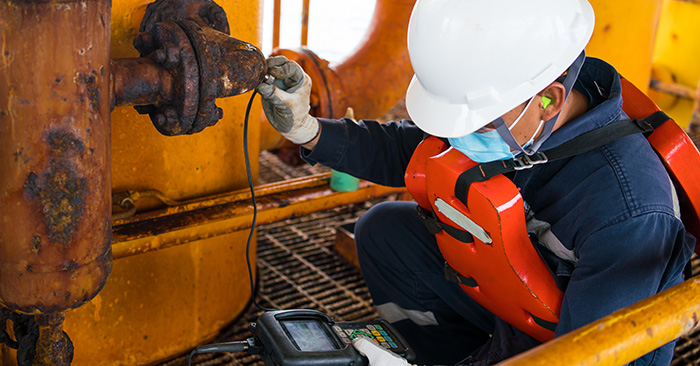
Corrosion is a natural process that affects metal components in various industries, including oil and gas. Corrosion can lead to equipment failure resulting in costly repairs and downtime, which can have significant impacts on safety, production, and profitability. Developing an effective corrosion control strategy is critical to mitigate these risks and ensure the safe and reliable operation of assets. In this article, we will discuss a six-step approach to developing an effective corrosion control strategy for the oil and gas industry.
Comparing Standalone RBI Products with Asset Integrity Management Solutions
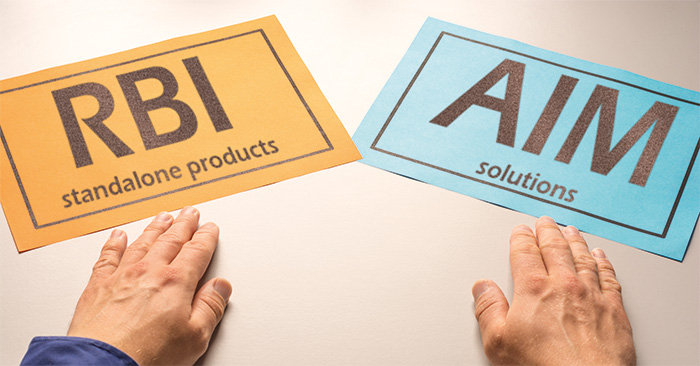
Risk Based Inspection (RBI). A pillar in modern asset integrity technology, its benefits have become widely known and accepted. The intelligent risk analysis afforded in comparing an asset’s unique probability of failure (PoF) vs. its consequence of failure (CoF) allows operators to reliably extend inspection intervals. In fact, RBI has been shown to reduce inspection points by as much as 80%, and cut down the likelihood of unplanned shutdowns by more than half.