
How to Leverage Integrity Operating Windows for Improved Corrosion Control

An API Recommended Practice (API RP 584), Integrity Operating Windows (IOW) are an essential component of any asset integrity management (AIM) system. IOWs improve predictive accuracy. They facilitate the collection, retention, and analysis of variable data – providing early warnings when a pre-defined process variable’s boundaries are exceeded. This helps to predict and prevent corrosion, increase productivity by allowing for predictive maintenance, and reduce the likelihood of asset failure.
Top Strategies to Optimize Asset Integrity Management Workflow

The key to success for any asset integrity management (AIM) program lies in the development of its workflow process. For owner operators of plants, pipelines, and facilities, efficient and seamless inspection data management is key. The more effective the workflow and its application, the more reliable the equipment – reducing the chances of costly shutdowns or unnecessary repairs.
Top 7 Signs it’s Time to Change Your Asset Integrity Management (AIM) Software
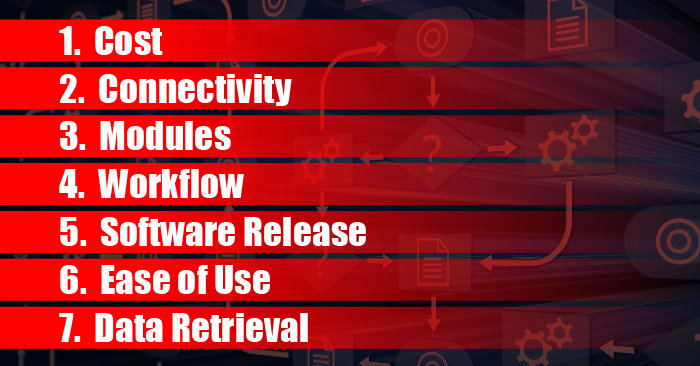
Technology in the asset integrity management (AIM) sector is now more advanced than ever. Risk-based inspection planning, seamless connectivity between software platforms, real-time monitoring and alerts of asset performance conditions, and the ability to synchronize inspection work from the field form a small sampling of the technology available to operators of plants, pipelines and facilities today.
Asset Integrity Management (AIM) vs. ERP/CMMS Software
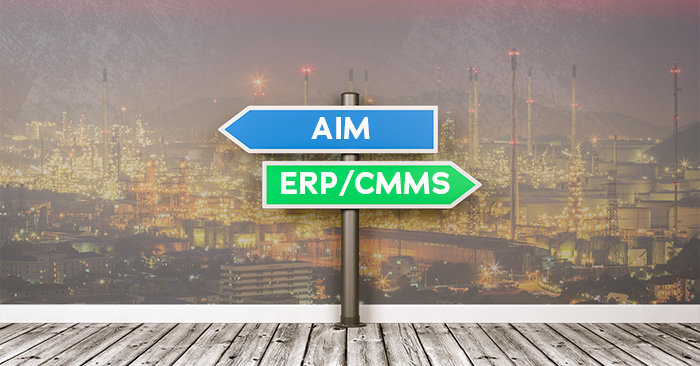
For owner operators of asset intensive corporations, a primary challenge is often that of budget allocation. Specifically: How can I garner the most profitability from my assets within the confines of the budget resources available to me?
Asset Performance Management vs Asset Integrity Management: What’s the Difference? (Part 2)

In our first article of this series, we examined the differences between the terms Asset Performance Management (APM) and Asset Integrity Management (AIM). That article took a quick look at the differences between the two terms at a high level. Today, we are taking a deeper look into the components of the two terms and how they complement each other for ultimate profitability, both for owner operators and for shareholders.