
How to Create a Lasting Framework for Optimizing Asset Performance

Optimizing asset performance is essential for organizations looking to achieve operational excellence, minimize downtime, and maximize returns on investments. However, many organizations struggle to harness the full potential of their assets due to disconnected programs, systems, and resources. In this blog, we will explore how to create a cohesive framework that interconnects various programs, systems, and resources to optimize asset performance organization-wide.
How to Begin Maturing Your Asset Integrity Management and Mechanical Integrity Programs

Effective Asset Integrity Management (AIM) and Mechanical Integrity (MI) programs are essential for ensuring the safety, reliability, and performance of industrial assets. However, as industries evolve, so must these programs to meet new challenges and technologies. In this blog, we will explore the steps organizations can take to begin maturing their AIM and MI programs.
How to Keep Up with Evolving Industry Standards in Asset Management

At its core, reliability engineering focuses on ensuring that assets consistently perform their intended functions without failures or breakdowns. This discipline draws from various fields, including mathematics, statistics, physics, and engineering, to develop methodologies that minimize the likelihood of failure and optimize asset lifecycles.
How to Conduct a Fitness-for-Service Assessment on Your Assets
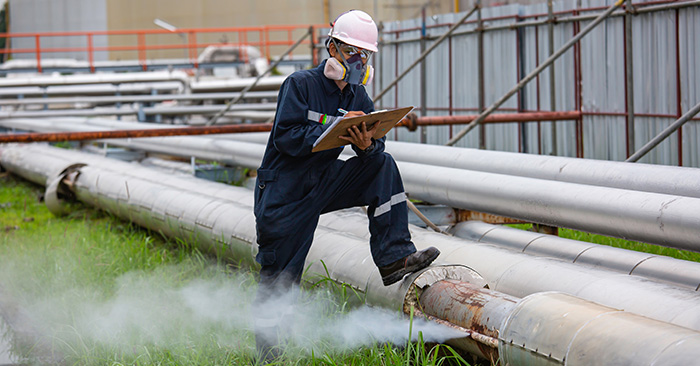
Maintaining the integrity of assets is critical to the success of any business, especially in the oil and gas industry where the failure of critical equipment can lead to costly downtime, environmental damage, and potential safety hazards. One key tool that asset integrity managers can use to assess the fitness of their assets is a fitness-for-service (FFS) assessment. In this blog post, we’ll discuss what an FFS assessment is, why it’s important, and how to conduct one effectively.
How to Develop an Effective Corrosion Control Strategy
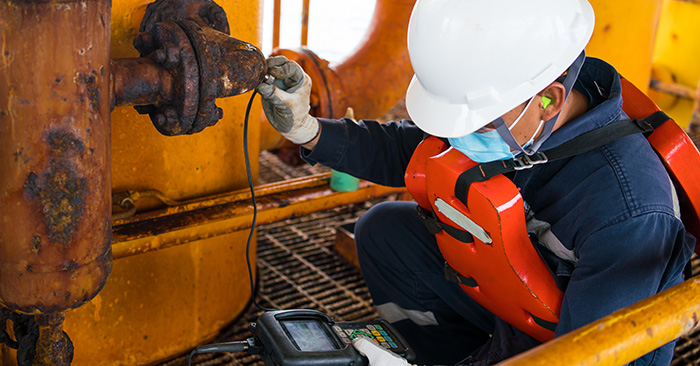
Corrosion is a natural process that affects metal components in various industries, including oil and gas. Corrosion can lead to equipment failure resulting in costly repairs and downtime, which can have significant impacts on safety, production, and profitability. Developing an effective corrosion control strategy is critical to mitigate these risks and ensure the safe and reliable operation of assets. In this article, we will discuss a six-step approach to developing an effective corrosion control strategy for the oil and gas industry.