
Comparing Standalone RBI Products with Asset Integrity Management Solutions
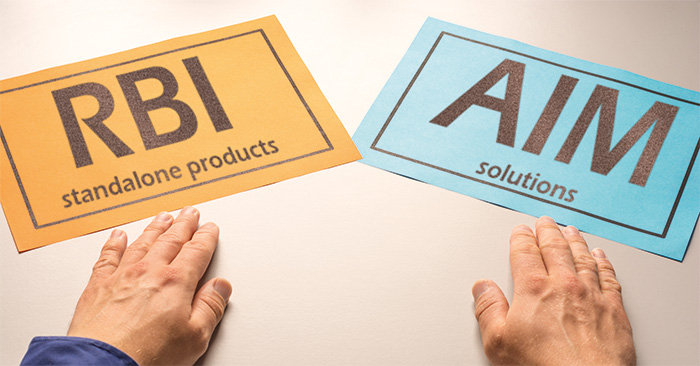
Risk Based Inspection (RBI). A pillar in modern asset integrity technology, its benefits have become widely known and accepted. The intelligent risk analysis afforded in comparing an asset’s unique probability of failure (PoF) vs. its consequence of failure (CoF) allows operators to reliably extend inspection intervals. In fact, RBI has been shown to reduce inspection points by as much as 80%, and cut down the likelihood of unplanned shutdowns by more than half.
The Importance of Integrated RBI and Asset Integrity Management for Safe and Reliable Operations

In the world of industrial operations, ensuring the safety and reliability of assets is crucial. A failure of a critical asset can lead to catastrophic consequences, such as loss of life, environmental damage, and financial losses. Therefore, it’s essential to have a robust asset integrity management (AIM) system in place that can identify and mitigate potential risks to assets.
Maximizing Reliability: 6 Best Practices for RBI Success

Risk Based Inspection (RBI) is a methodical approach to evaluate the integrity of equipment and determine the optimal inspection strategy. RBI programs require the establishment of best practices that focus on influencing key business activities such as inspection, engineering, reliability, operations, and maintenance. It is essential to follow best practices when implementing RBI to achieve maximum benefit.
Understanding the Role of RBI in Asset Integrity Management

Asset integrity management is crucial for the safety, reliability, and efficiency of operations in the oil and gas industry. One important tool used in asset integrity management is Risk Based Inspection (RBI). RBI is a systematic and quantitative process that helps asset integrity managers prioritize inspection and maintenance activities based on the risk of failure. In this blog post, we will discuss the four steps involved in understanding the role of RBI in asset integrity management.
Implementing a Risk Based Inspection program

Risk Based Inspection (RBI) is a proactive approach to maintenance and inspection that aims to reduce the risk of equipment failure, minimize downtime, and increase the safety and reliability of industrial assets. However, implementing an effective RBI program can be challenging. In this blog, we will discuss best practices for implementing a risk based inspection program and common challenges that businesses may face.