
Thickness Measurements: From Probe to Risk-Based Assessment
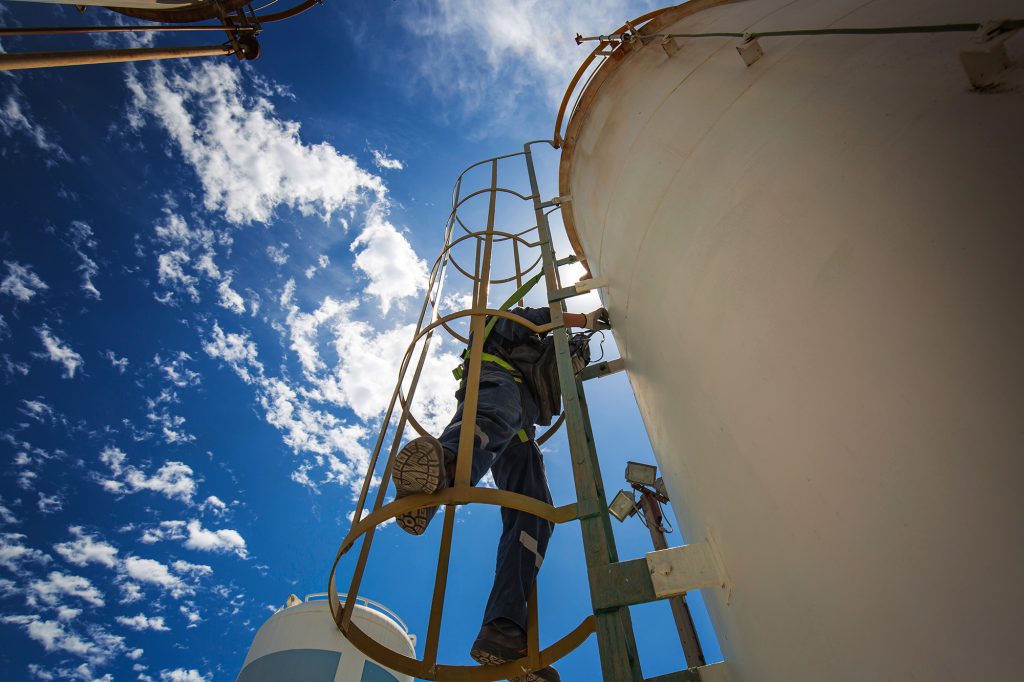
Effective asset integrity management does not start with a risk matrix; it starts at the probe. The journey from accurately capturing thickness measurements to performing robust Risk-Based Inspection (RBI) assessments is a critical operational mandate for both greenfield and brownfield facilities. When teams establish strict consistency in these initial stages, they ensure that data collection, verification, and risk identification seamlessly align to support engineering, operations, and broader management objectives.
The “Hidden Circuit” Risk: When Digital and Physical Diverge

Circuitizing is a critical process that transforms chaotic piping networks into managed, inspectable assets by organizing them based on degradation mechanisms. However, the effectiveness of this system depends entirely on the alignment between digital records and physical reality
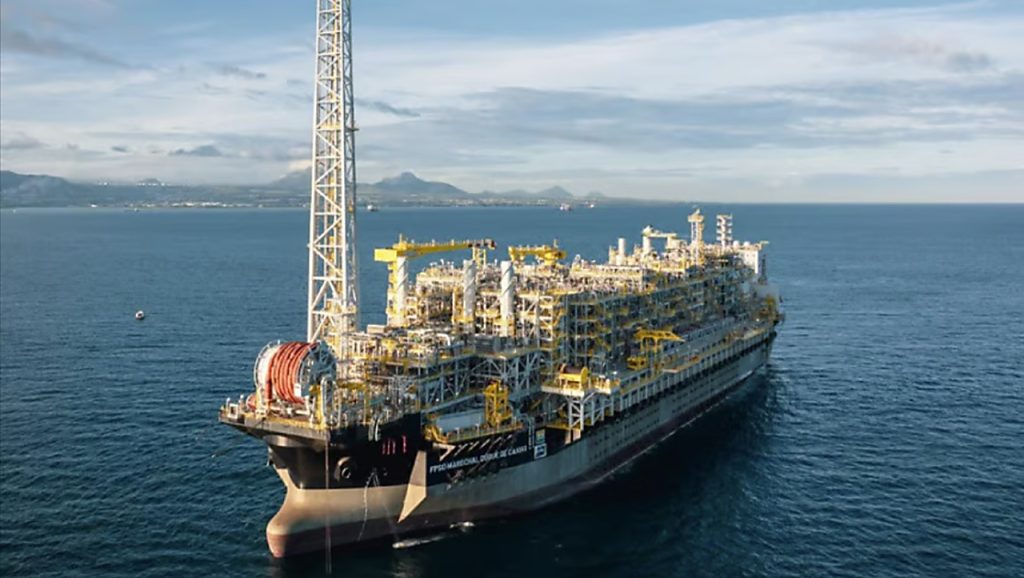
Delivering Comprehensive Asset Integrity Management for MISC Mero 3 FPSO with Metegrity Inc. and ABSC
The heart of North America’s Energy Delivery sector, a prominent leader, in crude oil and gas transportation, has chosen Metegrity’s Visions Enterprise® as the cornerstone of their Liquids Facility’s asset management system.
5 Ways to Improve Your Regulatory Compliance in the Biofuels Market

For the U.S. biofuels industry, regulatory compliance is critical but complex, involving various federal and state regulations. Ensuring compliance with these regulations is not only challenging but essential to avoid costly fines and operational disruptions. The key is leveraging the right asset integrity management (AIM) software system to streamline the process and ensure readiness for any audit.
Improve Midstream ROI: Adopt One Pipeline Integrity Software for both Pipeline and Facilities

Few industries understand the rigorous environmental, safety, legal and regulatory requirements of asset integrity management as intimately as the Midstream Oil & Gas sector. Without proper integrity management of their critical network of assets, catastrophic loss of containment could result in increased environmental hazards, loss of life, devastating lawsuits, and unplanned shutdowns – costing owner operators tens of millions of dollars.