
How to Leverage AIM for Pipeline Corrosion Control
Managing pipeline corrosion can be a time-consuming guessing game – wasting money and resources looking for corrosion where it isn’t and missing corrosion where it is. A lot of it comes down to not knowing what you don’t know. For example: at any given time, how aware are you of what contaminants are in the process stream? When the stream composition changes? Are you always aware and instantly alerted when key corrosion factors in your asset change?
How to Leverage Integrity Operating Windows for Improved Corrosion Control
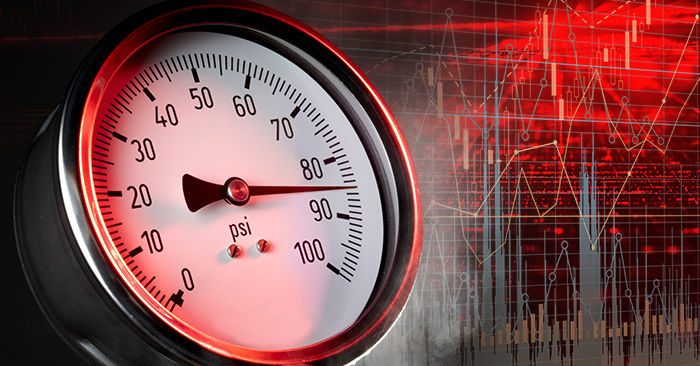
An API Recommended Practice (API RP 584), Integrity Operating Windows (IOW) are an essential component of any asset integrity management (AIM) system. IOWs improve predictive accuracy. They facilitate the collection, retention, and analysis of variable data – providing early warnings when a pre-defined process variable’s boundaries are exceeded. This helps to predict and prevent corrosion, increase productivity by allowing for predictive maintenance, and reduce the likelihood of asset failure.
Top 7 Signs it’s Time to Change Your Asset Integrity Management (AIM) Software
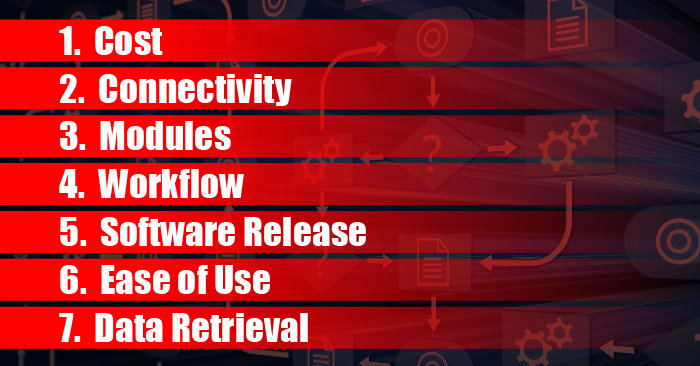
Technology in the asset integrity management (AIM) sector is now more advanced than ever. Risk-based inspection planning, seamless connectivity between software platforms, real-time monitoring and alerts of asset performance conditions, and the ability to synchronize inspection work from the field form a small sampling of the technology available to operators of plants, pipelines and facilities today.
Asset Integrity Management (AIM) vs. ERP/CMMS Software
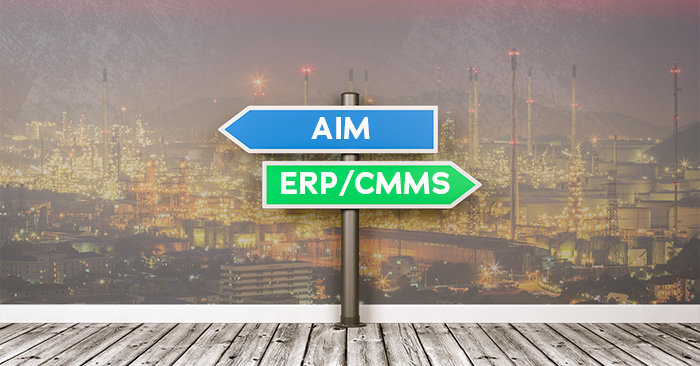
For owner operators of asset intensive corporations, a primary challenge is often that of budget allocation. Specifically: How can I garner the most profitability from my assets within the confines of the budget resources available to me?