
The Necessity of Asset Integrity Management for the Petrochemical Sector
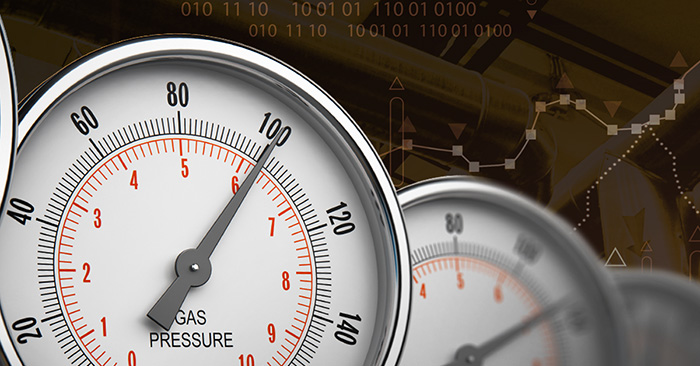
The Petrochemical industry has a deep understanding of the intricate challenges of asset integrity management. Owner operators within this sector typically oversee a diverse range of equipment types, materials, and processes, often more varied than those in the Oil & Gas sector. Additionally, Petrochemical companies operate within a heightened risk landscape, encompassing safety and environmental mishaps such as loss of containment, resulting in toxic and flammable chemical releases, all stemming from the inherent properties of the materials involved.
Integrity Operating Windows Reduce Inspection Frequency, Improve ROI
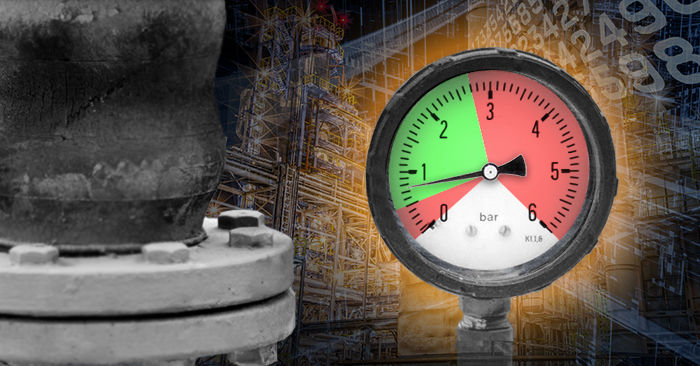
For owner operators of asset-heavy corporations, the driving impetus behind daily operations remains consistent: How can asset failures be minimized without incurring the high costs associated with inspection intervals and turnarounds?
Implementation of a Risk Based Inspection (RBI) Program
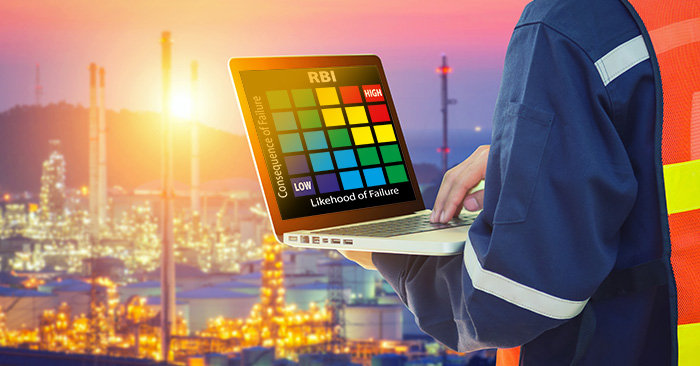
The immediate cost saving advantages of adopting an RBI approach to asset integrity management are gaining momentum. Corporations are increasingly realizing that RBI, with its ability to intelligently analyze equipment’s probability of failure (POF) vs consequence of failure (COF), is the prudent approach to managing critical assets. Embracing RBI assures that a structured, systematic, and technically defensible approach is used to make decisions. RBI significantly reduces instances of equipment failure and minimizes unplanned shutdowns.
Risk Based Inspection – Why Consider it?
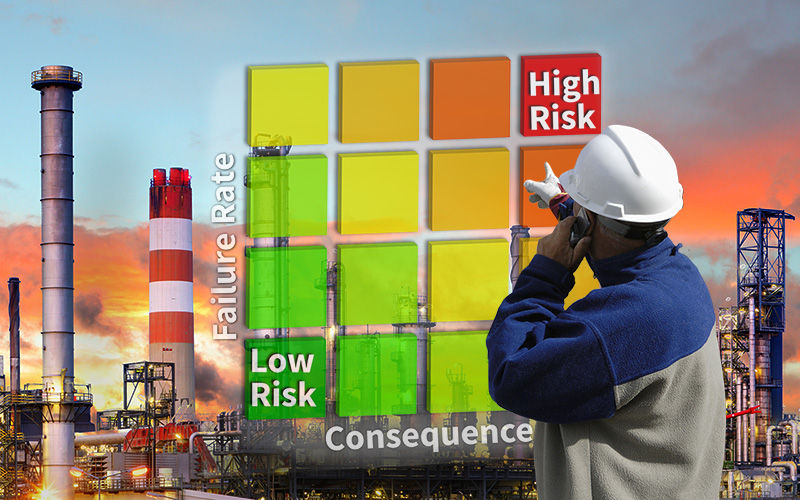
In the realm of asset integrity management, where every moment counts in financial terms, organizations must prioritize strategies that are not only cost-effective but also prioritize safety, regulatory compliance, asset integrity, operational efficiency, and data-driven decision-making. This is particularly crucial for owner operators who are burdened by unnecessary expenses resulting from over inspection, under inspection and outdated inspection methods. Notably, equipment failures annually cost the US refining industry billions, with a significant portion attributed to static equipment loss of containment.
Asset Integrity Management Technology That Solves Real Business Problems

In asset integrity, effective data management is crucial to enable data correlation, the application of risk models and risk-based inspection scheduling. The Oil & Gas, Chemical, Pipeline and other industry sectors with asset numbers in the thousands struggle with handling vast amount of unrelatable (siloed) data.