
Top 7 Signs it’s Time to Change Your Asset Integrity Management (AIM) Software
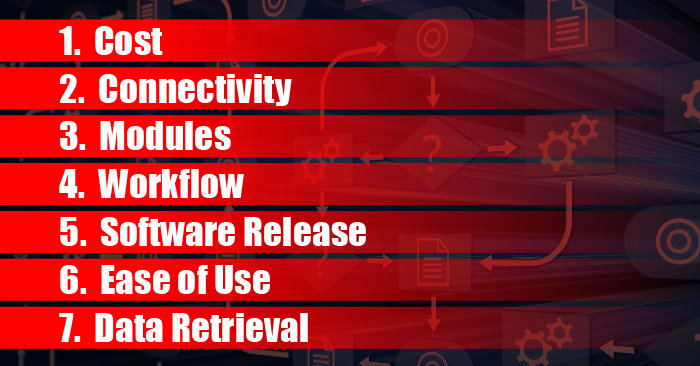
Technology in the asset integrity management (AIM) sector is now more advanced than ever. Risk-based inspection planning, seamless connectivity between software platforms, real-time monitoring and alerts of asset performance conditions, and the ability to synchronize inspection work from the field form a small sampling of the technology available to operators of plants, pipelines and facilities today.
Asset Integrity Management (AIM) vs. ERP/CMMS Software
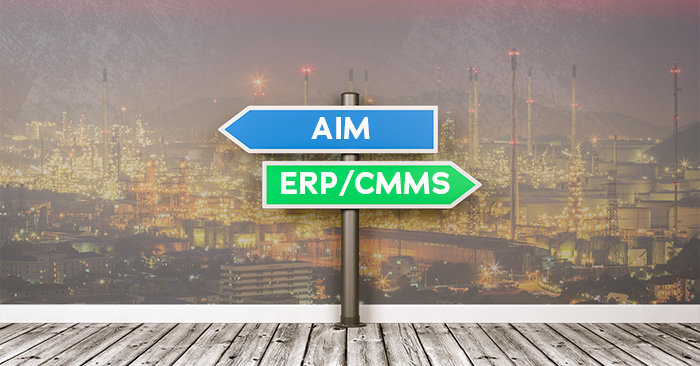
For owner operators of asset intensive corporations, a primary challenge is often that of budget allocation. Specifically: How can I garner the most profitability from my assets within the confines of the budget resources available to me?
Leverage the Industrial Internet of Things (IIoT) for Improved Profitability and Integrity Management

Owner operators of asset-intensive corporations are starting to realize the operational and profit potential of harnessing new technologies, namely the Industrial Internet of Things (IIoT). IIoT refers to the phenomenon of utilizing technology to connect a series of physical assets to measure and/or enhance industrial processes. Essentially, it equates to digitalization. In the world of asset integrity management (AIM), this means intelligent analytics to modernize the plant to an asset-control environment. Adopting IIoT helps owner operators to automate, improve and transform their processes for increased profitability, enhanced safety, and reduced loss of containment.
Integrity Manuals: The Most Significant Factor in Avoiding Asset Failure

By now, the benefits of utilizing a comprehensive Asset Integrity Management (AIM) software have been firmly established. Yet, an AIM product is only as good as the sum of its parts. One of the key elements of any AIM software – indeed, the building block from which it is formed – is one of the least discussed. Namely: Integrity Manuals (IM).
Asset Performance Management vs Asset Integrity Management: What’s the Difference? (Part 1)

Two “buzz terms” have been floating around in the world of asset management recently: Asset Performance Management (APM) and Asset Integrity Management (AIM). Semantically, they appear to be very similar. Indeed, that has led to a lot of confusion throughout the industry. Professionals from asset-intensive organizations are often asking: What are these terms? Do they mean the same thing? If not, what’s the difference? Why should I care?