
Driving Proactive Maintenance: Unleashing the Potential of Predictive Analytics

In the realm of industrial operations, maintenance has evolved from a reactive necessity to a strategic driver of efficiency and cost-effectiveness. While reactive maintenance addresses problems after they occur, proactive maintenance takes a leap forward by identifying and resolving issues before they impact operations. At the heart of this transformation lies predictive analytics, a cutting-edge approach that harnesses real-time condition monitoring and anomaly/failure data to revolutionize maintenance strategies.
Top 7 Signs it’s Time to Change Your Asset Integrity Management (AIM) Software
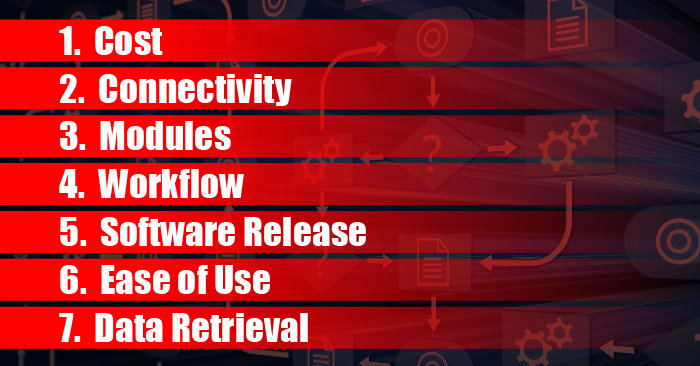
Technology in the asset integrity management (AIM) sector is now more advanced than ever. Risk-based inspection planning, seamless connectivity between software platforms, real-time monitoring and alerts of asset performance conditions, and the ability to synchronize inspection work from the field form a small sampling of the technology available to operators of plants, pipelines and facilities today.
Asset Integrity Management (AIM) vs. ERP/CMMS Software
For owner operators of asset intensive corporations, a primary challenge is often that of budget allocation. Specifically: How can I garner the most profitability from my assets within the confines of the budget resources available to me?
Asset Performance Management vs Asset Integrity Management: What’s the Difference? (Part 2)

In our first article of this series, we examined the differences between the terms Asset Performance Management (APM) and Asset Integrity Management (AIM). That article took a quick look at the differences between the two terms at a high level. Today, we are taking a deeper look into the components of the two terms and how they complement each other for ultimate profitability, both for owner operators and for shareholders.
Asset Performance Management vs Asset Integrity Management: What’s the Difference? (Part 1)
Two “buzz terms” have been floating around in the world of asset management recently: Asset Performance Management (APM) and Asset Integrity Management (AIM). Semantically, they appear to be very similar. Indeed, that has led to a lot of confusion throughout the industry. Professionals from asset-intensive organizations are often asking: What are these terms? Do they mean the same thing? If not, what’s the difference? Why should I care?