
Why Risk Based Inspection is Essential for Industrial Asset Integrity

Risk Based Inspection (RBI) is a crucial aspect of industrial asset integrity that helps to identify and prioritize equipment and components for inspection. RBI is a proactive approach to maintenance that aims to reduce the risk of equipment failure, minimize downtime, and increase the safety and reliability of industrial assets. RBI allows companies to focus their resources on equipment that poses the greatest risk to safety, the environment, and production. By using RBI, companies can develop a cost-effective inspection program that maximizes the life of their assets.
Best Practices for Implementing a Risk Based Inspection (RBI) Program
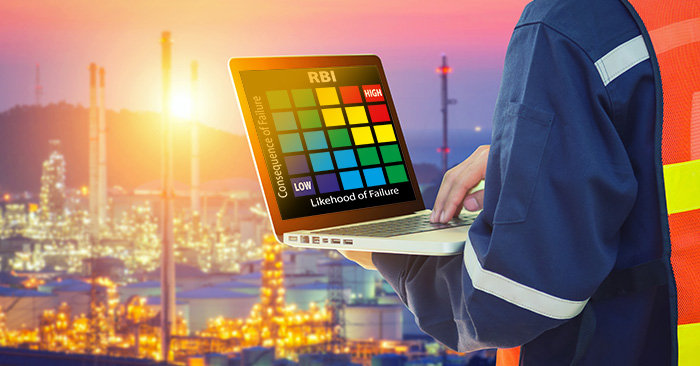
The immediate cost saving advantages of adopting a Risk Based Inspection (RBI) approach to asset integrity management are gaining momentum. More and more corporations are realizing that RBI, with its ability to intelligently analyze equipment’s probability of failure (POF) vs consequence of failure (COF), is the more prudent approach to managing their critical assets. It assures that a structured, systematic, and technically defensible approach is used to make decisions. After all, it drastically reduces instances of equipment failure and more than halves the likelihood of unplanned shutdowns.