
Integrity Operating Windows Reduce Inspection Frequency, Improve ROI
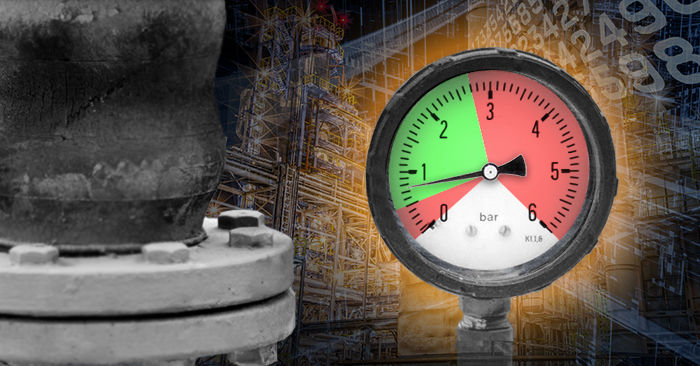
For owner operators of asset-heavy corporations, the driving impetus behind daily operations remains consistent: How can asset failures be minimized without incurring the high costs associated with inspection intervals and turnarounds?
Integrity Manuals: The Most Significant Factor in Avoiding Asset Failure

By now, the benefits of utilizing a comprehensive Asset Integrity Management (AIM) software have been firmly established. Yet, an AIM product is only as good as the sum of its parts. One of the key elements of any AIM software – indeed, the building block from which it is formed – is one of the least discussed. Namely: Integrity Manuals (IM).
Leverage AIM for Improved Pipeline Integrity Management

When it comes to asset integrity management (AIM), few sectors are as comprehensive and in need as the pipeline industry. With potentially hundreds of miles of pipeline segments, a multitude of different assets across initial gathering and process facilities, and the exorbitant amount of data captured from the initial pipeline construction through the asset’s lifecycle, it is no wonder that an entire market of products exists with the sole purpose of managing pipeline integrity. In fact, many owner operators of pipelines today utilize such programs, called Pipeline Integrity Management Systems (PIMS), for their mechanical integrity needs.
Asset Performance Management vs Asset Integrity Management: What’s the Difference? (Part 1)

Two “buzz terms” have been floating around in the world of asset management recently: Asset Performance Management (APM) and Asset Integrity Management (AIM). Semantically, they appear to be very similar. Indeed, that has led to a lot of confusion throughout the industry. Professionals from asset-intensive organizations are often asking: What are these terms? Do they mean the same thing? If not, what’s the difference? Why should I care?
Best Practices for Implementing a Risk Based Inspection (RBI) Program

The immediate cost saving advantages of adopting a Risk Based Inspection (RBI) approach to asset integrity management are gaining momentum. More and more corporations are realizing that RBI, with its ability to intelligently analyze equipment’s probability of failure (POF) vs consequence of failure (COF), is the more prudent approach to managing their critical assets. It assures that a structured, systematic, and technically defensible approach is used to make decisions. After all, it drastically reduces instances of equipment failure and more than halves the likelihood of unplanned shutdowns.