
Enhanced Asset Integrity Performance Through Improved Data Management and RBI: A Case Study with Methanex

This case study highlights the successful implementation of Metegrity’s Visions Enterprise solution at Methanex, a global leader in methanol production. By leveraging Visions Enterprise and implementing risk based inspection practices, Methanex achieved significant improvements in asset integrity performance through enhanced data management practices and inspection strategies. This case study demonstrates how Visions Enterprise facilitated streamlined data management, risk based inspection, and improved asset integrity outcomes.
Comparing Standalone RBI Products with Asset Integrity Management Solutions
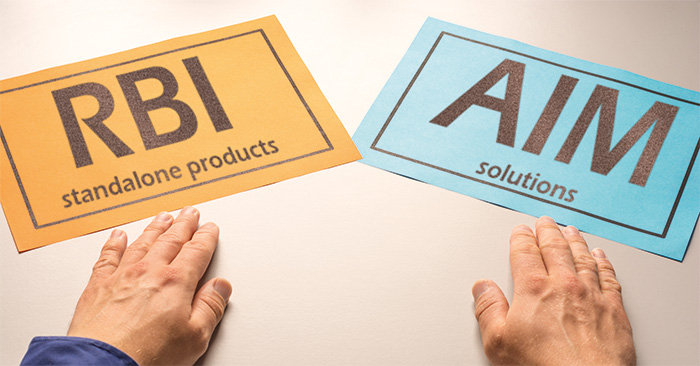
Risk Based Inspection (RBI). A pillar in modern asset integrity technology, its benefits have become widely known and accepted. The intelligent risk analysis afforded in comparing an asset’s unique probability of failure (PoF) vs. its consequence of failure (CoF) allows operators to reliably extend inspection intervals. In fact, RBI has been shown to reduce inspection points by as much as 80%, and cut down the likelihood of unplanned shutdowns by more than half.
Understanding the Role of RBI in Asset Integrity Management
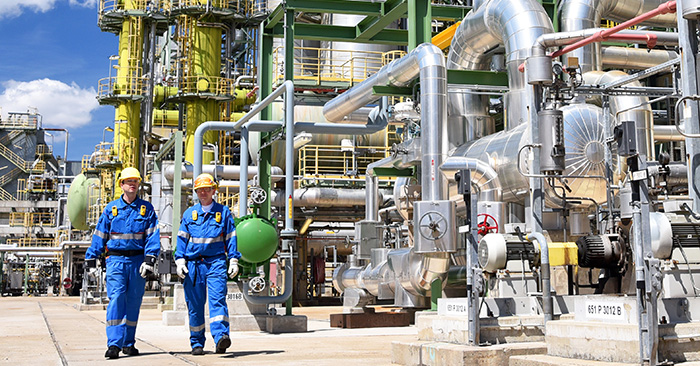
Asset integrity management is crucial for the safety, reliability, and efficiency of operations in the oil and gas industry. One important tool used in asset integrity management is Risk Based Inspection (RBI). RBI is a systematic and quantitative process that helps asset integrity managers prioritize inspection and maintenance activities based on the risk of failure. In this blog post, we will discuss the four steps involved in understanding the role of RBI in asset integrity management.
Nippon Chemical Chooses Metegrity for Inspections and Conditioning Monitoring of Assets
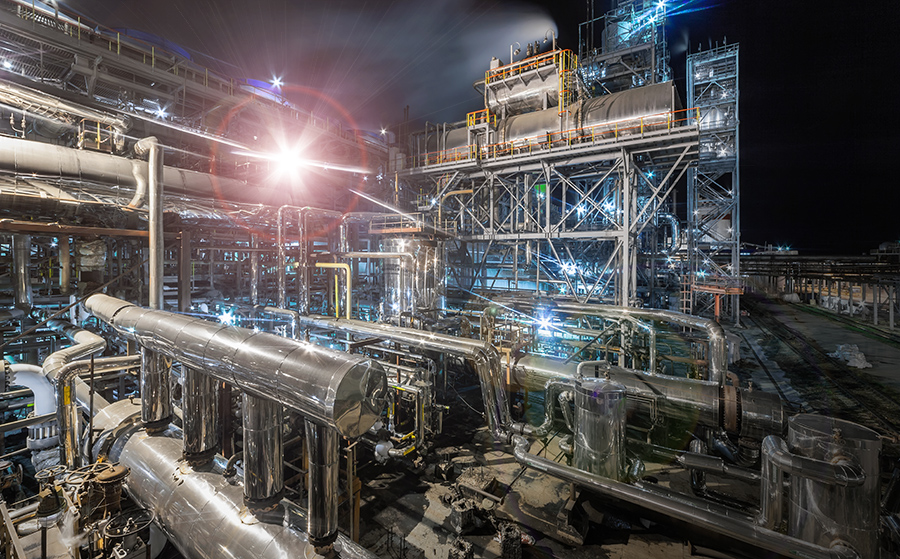
The heart of North America’s Energy Delivery sector, a prominent leader, in crude oil and gas transportation, has chosen Metegrity’s Visions Enterprise® as the cornerstone of their Liquids Facility’s asset management system.