
Integrity Operating Windows Reduce Inspection Frequency, Improve ROI
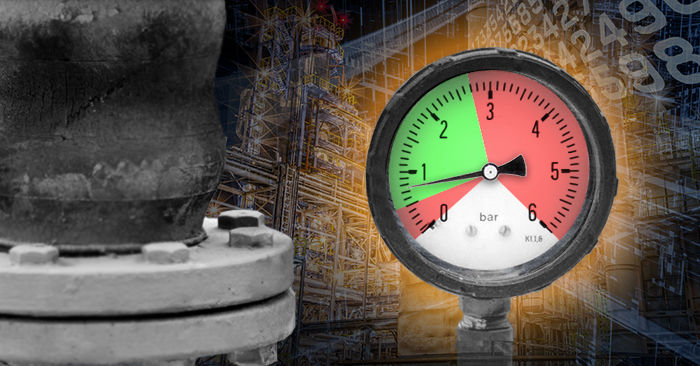
For owner operators of asset-heavy corporations, the driving impetus behind daily operations remains consistent: How can asset failures be minimized without incurring the high costs associated with inspection intervals and turnarounds?
Implementation of a Risk Based Inspection (RBI) Program
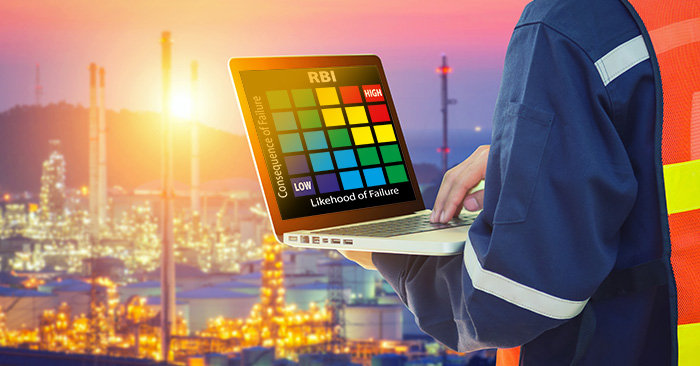
The immediate cost saving advantages of adopting an RBI approach to asset integrity management are gaining momentum. Corporations are increasingly realizing that RBI, with its ability to intelligently analyze equipment’s probability of failure (POF) vs consequence of failure (COF), is the prudent approach to managing critical assets. Embracing RBI assures that a structured, systematic, and technically defensible approach is used to make decisions. RBI significantly reduces instances of equipment failure and minimizes unplanned shutdowns.
Understanding the Role of RBI in Asset Integrity Management
Asset integrity management is crucial for the safety, reliability, and efficiency of operations in the oil and gas industry. One important tool used in asset integrity management is Risk Based Inspection (RBI). RBI is a systematic and quantitative process that helps asset integrity managers prioritize inspection and maintenance activities based on the risk of failure. In this blog post, we will discuss the four steps involved in understanding the role of RBI in asset integrity management.
How to Leverage AIM for Pipeline Corrosion Control
Managing pipeline corrosion can be a time-consuming guessing game – wasting money and resources looking for corrosion where it isn’t and missing corrosion where it is. A lot of it comes down to not knowing what you don’t know. For example: at any given time, how aware are you of what contaminants are in the process stream? When the stream composition changes? Are you always aware and instantly alerted when key corrosion factors in your asset change?
Enhance Security in Oil & Gas Asset Integrity Management

The Industrial Internet of Things (IIoT) has transformed the landscape of Asset Integrity Management for the Oil and Gas industry. By empowering owner-operators with the ability to interconnect a vast array of physical assets on one digital platform, IIoT facilitates improved productivity, profitability, inspection scheduling, and corrosion mitigation – all while significantly reducing the likelihood of asset failure.