
The Importance of Integrated RBI and Asset Integrity Management for Safe and Reliable Operations
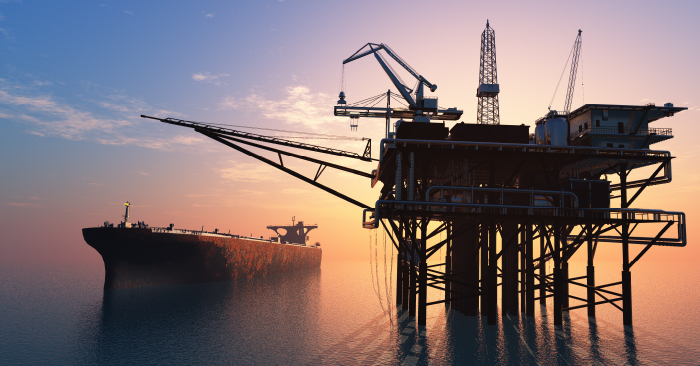
In the world of industrial operations, ensuring the safety and reliability of assets is crucial. A failure of a critical asset can lead to catastrophic consequences, such as loss of life, environmental damage, and financial losses. Therefore, it’s essential to have a robust asset integrity management (AIM) system in place that can identify and mitigate potential risks to assets.
Nippon Chemical Chooses Metegrity for Inspections and Conditioning Monitoring of Assets
The heart of North America’s Energy Delivery sector, a prominent leader, in crude oil and gas transportation, has chosen Metegrity’s Visions Enterprise® as the cornerstone of their Liquids Facility’s asset management system.
Five Ways to Save Time While Accelerating the Asset Inspection Process
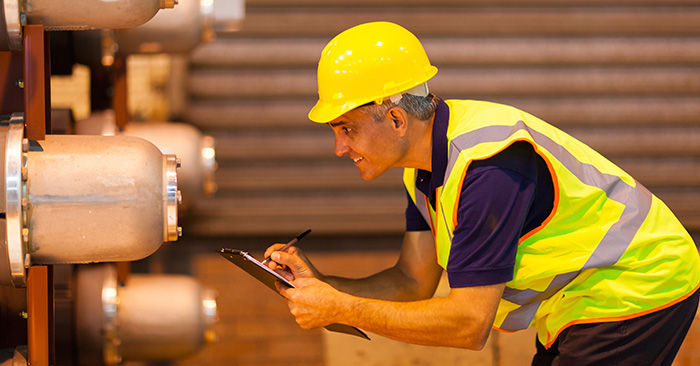
The key to reducing maintenance costs and unplanned downtime for plants, pipelines and facilities lies in maximizing the asset inspection process. A recent study into plant maintenance found that the three leading causes of unplanned shutdowns include aging equipment (44%), operator error (16%) and a lack of time (15%). All of these can be mitigated with focused changes to your inspection process.
Enhance Security in Oil & Gas Asset Integrity Management

The Industrial Internet of Things (IIoT) has transformed the landscape of Asset Integrity Management for the Oil and Gas industry. By empowering owner-operators with the ability to interconnect a vast array of physical assets on one digital platform, IIoT facilitates improved productivity, profitability, inspection scheduling, and corrosion mitigation – all while significantly reducing the likelihood of asset failure.
Top 7 Signs it’s Time to Change Your Asset Integrity Management (AIM) Software
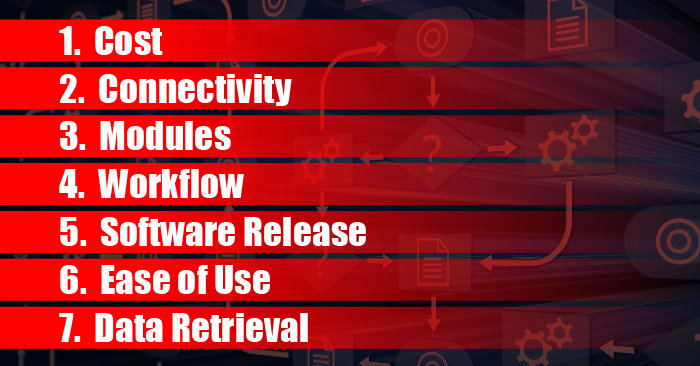
Technology in the asset integrity management (AIM) sector is now more advanced than ever. Risk-based inspection planning, seamless connectivity between software platforms, real-time monitoring and alerts of asset performance conditions, and the ability to synchronize inspection work from the field form a small sampling of the technology available to operators of plants, pipelines and facilities today.