
How to Conduct a Fitness-for-Service Assessment on Your Assets

Maintaining the integrity of assets is critical to the success of any business, especially in the oil and gas industry where the failure of critical equipment can lead to costly downtime, environmental damage, and potential safety hazards. One key tool that asset integrity managers can use to assess the fitness of their assets is a fitness-for-service (FFS) assessment. In this blog post, we’ll discuss what an FFS assessment is, why it’s important, and how to conduct one effectively.
How to Develop an Effective Corrosion Control Strategy
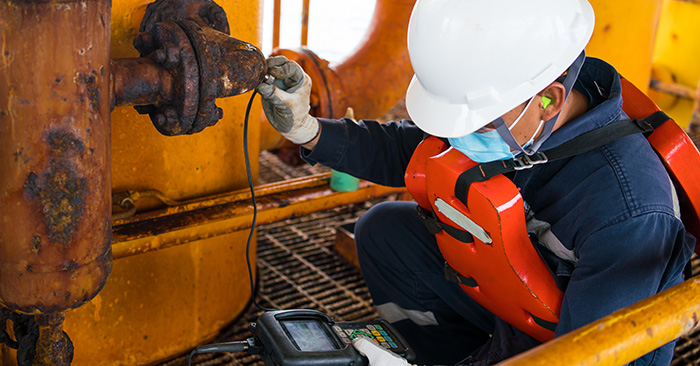
Corrosion is a natural process that affects metal components in various industries, including oil and gas. Corrosion can lead to equipment failure resulting in costly repairs and downtime, which can have significant impacts on safety, production, and profitability. Developing an effective corrosion control strategy is critical to mitigate these risks and ensure the safe and reliable operation of assets. In this article, we will discuss a six-step approach to developing an effective corrosion control strategy for the oil and gas industry.
Understanding the Role of RBI in Asset Integrity Management

Asset integrity management is crucial for the safety, reliability, and efficiency of operations in the oil and gas industry. One important tool used in asset integrity management is Risk Based Inspection (RBI). RBI is a systematic and quantitative process that helps asset integrity managers prioritize inspection and maintenance activities based on the risk of failure. In this blog post, we will discuss the four steps involved in understanding the role of RBI in asset integrity management.
Implementing a Risk Based Inspection program

Risk Based Inspection (RBI) is a proactive approach to maintenance and inspection that aims to reduce the risk of equipment failure, minimize downtime, and increase the safety and reliability of industrial assets. However, implementing an effective RBI program can be challenging. In this blog, we will discuss best practices for implementing a risk based inspection program and common challenges that businesses may face.