
Integrity Operating Windows Reduce Inspection Frequency, Improve ROI
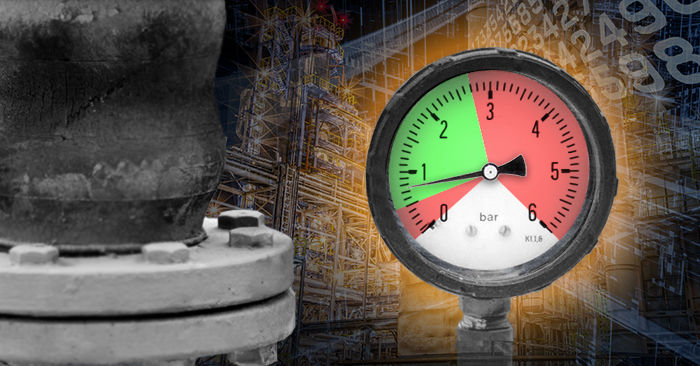
For owner operators of asset-heavy corporations, the driving impetus behind daily operations remains consistent: How can asset failures be minimized without incurring the high costs associated with inspection intervals and turnarounds?
Implementation of a Risk Based Inspection (RBI) Program

The immediate cost saving advantages of adopting an RBI approach to asset integrity management are gaining momentum. Corporations are increasingly realizing that RBI, with its ability to intelligently analyze equipment’s probability of failure (POF) vs consequence of failure (COF), is the prudent approach to managing critical assets. Embracing RBI assures that a structured, systematic, and technically defensible approach is used to make decisions. RBI significantly reduces instances of equipment failure and minimizes unplanned shutdowns.
Risk Based Inspection – Why Consider it?

In the realm of asset integrity management, where every moment counts in financial terms, organizations must prioritize strategies that are not only cost-effective but also prioritize safety, regulatory compliance, asset integrity, operational efficiency, and data-driven decision-making. This is particularly crucial for owner operators who are burdened by unnecessary expenses resulting from over inspection, under inspection and outdated inspection methods. Notably, equipment failures annually cost the US refining industry billions, with a significant portion attributed to static equipment loss of containment.
Metegrity’s Visions Enterprise® Revolutionizes Facility Integrity for a North American Energy Delivery Leader
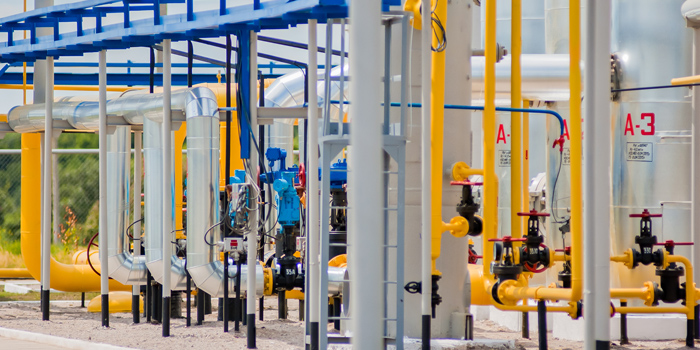
The heart of North America’s Energy Delivery sector, a prominent leader, in crude oil and gas transportation, has chosen Metegrity’s Visions Enterprise® as the cornerstone of their Liquids Facility’s asset management system.
MOL Group Chooses TÜV Rheinland and Metegrity to Support Goal to Increase Operational Availability and Mechanical Integrity

MOL Group operates three refineries and two petrochemical plants under integrated supply chain management in Hungary, Slovakia, and Croatia, and owns a network of 1,933 service stations across 10 countries in Central and Southeastern Europe.