
Leverage AIM for Improved Pipeline Integrity Management
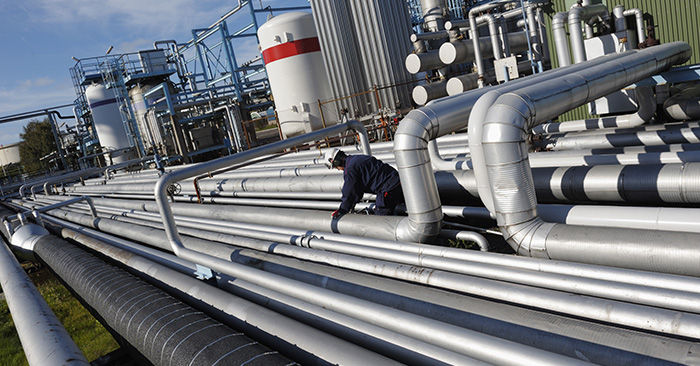
When it comes to asset integrity management (AIM), few sectors are as comprehensive and in need as the pipeline industry. With potentially hundreds of miles of pipeline segments, a multitude of different assets across initial gathering and process facilities, and the exorbitant amount of data captured from the initial pipeline construction through the asset’s lifecycle, it is no wonder that an entire market of products exists with the sole purpose of managing pipeline integrity. In fact, many owner operators of pipelines today utilize such programs, called Pipeline Integrity Management Systems (PIMS), for their mechanical integrity needs.
Harness Asset Integrity Management to Maximize LNG Liquefaction Expansion

The LNG industry is expanding rapidly, growing 4-6% annually. In fact, LNG now accounts for 12% of all gas demand. This is in large part due to new technologies that have surfaced in the industry in recent years – namely offshore facilities like Floating Storage Regasification Units (FSRUs) and Floating Liquefaction – that are increasing the market’s reach and encouraging global liquefaction development.
Best Practices for Implementing a Risk Based Inspection (RBI) Program
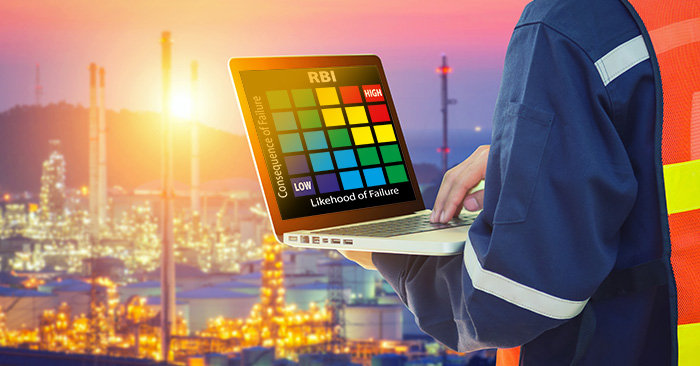
The immediate cost saving advantages of adopting a Risk Based Inspection (RBI) approach to asset integrity management are gaining momentum. More and more corporations are realizing that RBI, with its ability to intelligently analyze equipment’s probability of failure (POF) vs consequence of failure (COF), is the more prudent approach to managing their critical assets. It assures that a structured, systematic, and technically defensible approach is used to make decisions. After all, it drastically reduces instances of equipment failure and more than halves the likelihood of unplanned shutdowns.
Improving Mining Operations with Asset Integrity Management Software
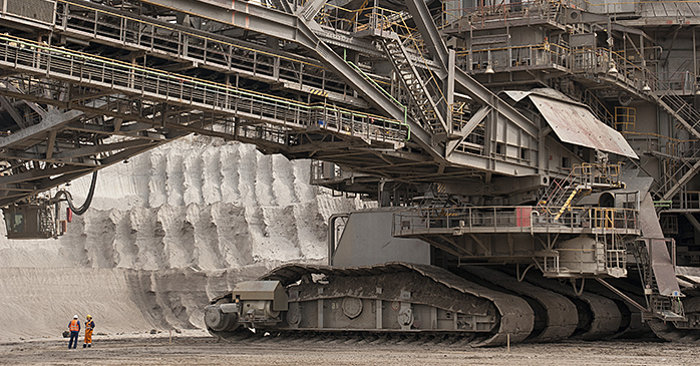
When it comes to centralized asset integrity management (AIM), few industries have as critical a need for it than the Mining industry. In particular, many Oil Sands Mining companies have benefited dramatically from implementing these innovative and pro-active mechanical integrity solutions to manage and protect their critical assets.
Regulatory Compliance in Asset Integrity Management

When it comes to implementing a mechanical integrity management program to protect critical assets, one of the most essential factors to consider is regulatory compliance. Adherence to regulatory standards protects owner operators from costly fines or possible insurance benefit losses that may accompany failed audits. Further, it expands the profit potential of the organization by improving equipment reliability and reducing costly instances of critical asset failure.