
Why Risk Based Inspection is Essential for Industrial Asset Integrity

Risk Based Inspection (RBI) is a crucial aspect of industrial asset integrity that helps to identify and prioritize equipment and components for inspection. RBI is a proactive approach to maintenance that aims to reduce the risk of equipment failure, minimize downtime, and increase the safety and reliability of industrial assets. RBI allows companies to focus their resources on equipment that poses the greatest risk to safety, the environment, and production. By using RBI, companies can develop a cost-effective inspection program that maximizes the life of their assets.
5 Ways to Improve Your Regulatory Compliance

When it comes to the asset integrity management (AIM) of plants and facilities, it seems that everyone has a different definition of what regulatory compliance entails. With so many differing regulatory bodies across the globe (each with different requirements) it can be difficult to pinpoint exactly what steps a company needs to take to ensure that compliance will be met. Thus, it’s a challenging tenant of AIM to get right – and yet, with the risk of hefty fines in case of an audit failure, it’s also an expensive one to get wrong.
Asset Performance Management vs Asset Integrity Management: What’s the Difference? (Part 2)

In our first article of this series, we examined the differences between the terms Asset Performance Management (APM) and Asset Integrity Management (AIM). That article took a quick look at the differences between the two terms at a high level. Today, we are taking a deeper look into the components of the two terms and how they complement each other for ultimate profitability, both for owner operators and for shareholders.
Improving Mining Operations with Asset Integrity Management Software
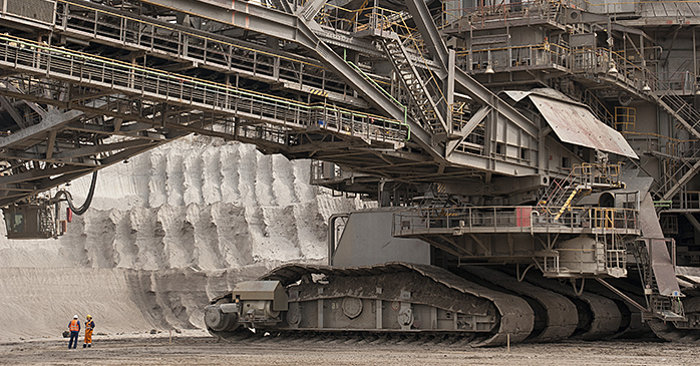
When it comes to centralized asset integrity management (AIM), few industries have as critical a need for it than the Mining industry. In particular, many Oil Sands Mining companies have benefited dramatically from implementing these innovative and pro-active mechanical integrity solutions to manage and protect their critical assets.
Regulatory Compliance in Asset Integrity Management

When it comes to implementing a mechanical integrity management program to protect critical assets, one of the most essential factors to consider is regulatory compliance. Adherence to regulatory standards protects owner operators from costly fines or possible insurance benefit losses that may accompany failed audits. Further, it expands the profit potential of the organization by improving equipment reliability and reducing costly instances of critical asset failure.