
The “Hidden Circuit” Risk: When Digital and Physical Diverge
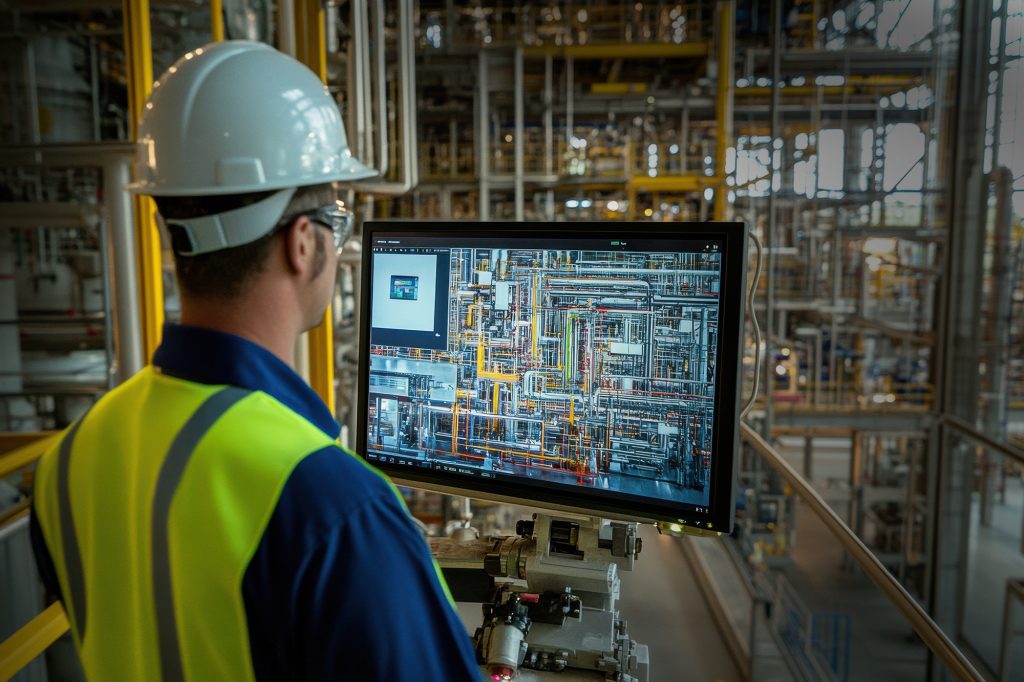
Circuitizing is a critical process that transforms chaotic piping networks into managed, inspectable assets by organizing them based on degradation mechanisms. However, the effectiveness of this system depends entirely on the alignment between digital records and physical reality
Risk Based Inspection – Why Consider it?
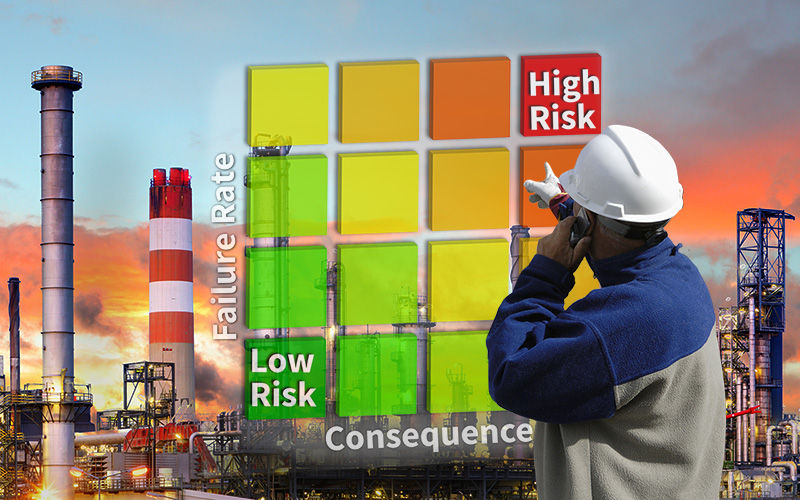
In the realm of asset integrity management, where every moment counts in financial terms, organizations must prioritize strategies that are not only cost-effective but also prioritize safety, regulatory compliance, asset integrity, operational efficiency, and data-driven decision-making. This is particularly crucial for owner operators who are burdened by unnecessary expenses resulting from over inspection, under inspection and outdated inspection methods. Notably, equipment failures annually cost the US refining industry billions, with a significant portion attributed to static equipment loss of containment.
Asset Integrity Management Technology That Solves Real Business Problems

In asset integrity, effective data management is crucial to enable data correlation, the application of risk models and risk-based inspection scheduling. The Oil & Gas, Chemical, Pipeline and other industry sectors with asset numbers in the thousands struggle with handling vast amount of unrelatable (siloed) data.
Comparing Standalone RBI Products with Asset Integrity Management Solutions
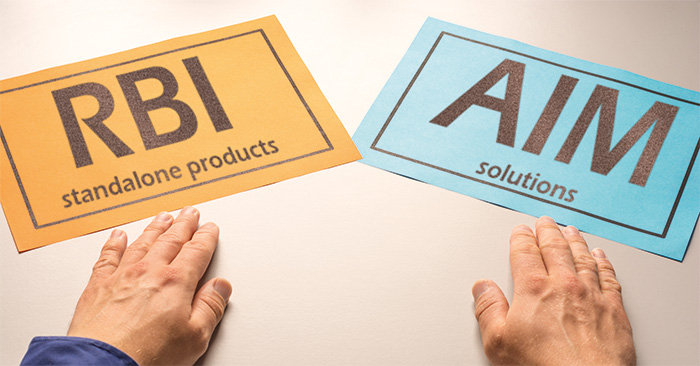
Risk Based Inspection (RBI). A pillar in modern asset integrity technology, its benefits have become widely known and accepted. The intelligent risk analysis afforded in comparing an asset’s unique probability of failure (PoF) vs. its consequence of failure (CoF) allows operators to reliably extend inspection intervals. In fact, RBI has been shown to reduce inspection points by as much as 80%, and cut down the likelihood of unplanned shutdowns by more than half.
The Importance of Integrated RBI and Asset Integrity Management for Safe and Reliable Operations

In the world of industrial operations, ensuring the safety and reliability of assets is crucial. A failure of a critical asset can lead to catastrophic consequences, such as loss of life, environmental damage, and financial losses. Therefore, it’s essential to have a robust asset integrity management (AIM) system in place that can identify and mitigate potential risks to assets.