
How to Leverage AIM for Pipeline Corrosion Control
Managing pipeline corrosion can be a time-consuming guessing game – wasting money and resources looking for corrosion where it isn’t and missing corrosion where it is. A lot of it comes down to not knowing what you don’t know. For example: at any given time, how aware are you of what contaminants are in the process stream? When the stream composition changes? Are you always aware and instantly alerted when key corrosion factors in your asset change?
Leverage AIM for Improved Pipeline Integrity Management
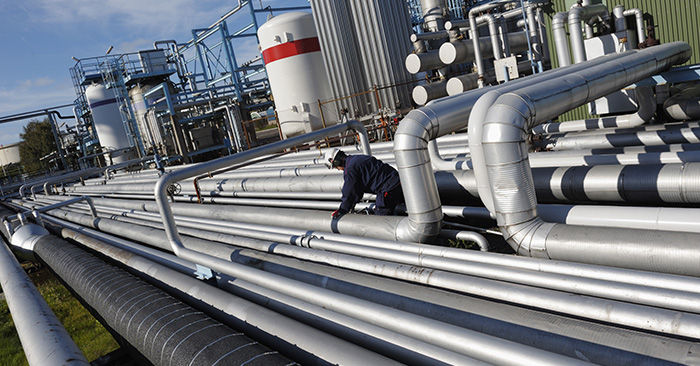
When it comes to asset integrity management (AIM), few sectors are as comprehensive and in need as the pipeline industry. With potentially hundreds of miles of pipeline segments, a multitude of different assets across initial gathering and process facilities, and the exorbitant amount of data captured from the initial pipeline construction through the asset’s lifecycle, it is no wonder that an entire market of products exists with the sole purpose of managing pipeline integrity. In fact, many owner operators of pipelines today utilize such programs, called Pipeline Integrity Management Systems (PIMS), for their mechanical integrity needs.